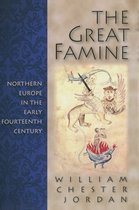
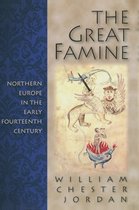
The Great Famine Northern Europe in the Early Fourteenth Century
Vraag het Shophulp, de AI-assistent van bol
Je leest ebooks gemakkelijk op je kobo e-reader, of op je smartphone of tablet met de Kobo via bol app.
Samenvatting
The horrors of the Great Famine (1315-1322), one of the severest catastrophes ever to strike northern Europe, lived on for centuries in the minds of Europeans who recalled tales of widespread hunger, class warfare, epidemic disease, frighteningly high mortality, and unspeakable crimes. Until now, no one has offered a perspective of what daily life was actually like throughout the entire region devastated by this crisis, nor has anyone probed far into its causes. Here, the distinguished historian William Jordan provides the first comprehensive inquiry into the Famine from Ireland to western Poland, from Scandinavia to central France and western Germany. He produces a rich cultural history of medieval community life, drawing his evidence from such sources as meteorological and agricultural records, accounts kept by monasteries providing for the needy, and documentation of military campaigns. Whereas there has been a tendency to describe the food shortages as a result of simply bad weather or else poor economic planning, Jordan sets the stage so that we see the complex interplay of social and environmental factors that caused this particular disaster and allowed it to continue for so long.
Jordan begins with a description of medieval northern Europe at its demographic peak around 1300, by which time the region had achieved a sophisticated level of economic integration. He then looks at problems that, when combined with years of inundating rains and brutal winters, gnawed away at economic stability. From animal diseases and harvest failures to volatile prices, class antagonism, and distribution breakdowns brought on by constant war, northern Europeans felt helplessly besieged by acts of an angry God--although a cessation of war and a more equitable distribution of resources might have lessened the severity of the food shortages.
Throughout Jordan interweaves vivid historical detail with a sharp analysis of why certain responses to the famine failed. He ultimately shows that while the northern European economy did recover quickly, the Great Famine ushered in a period of social instability that had serious repercussions for generations to come.
Productspecificaties
Inhoud
- Taal
- en
- Uitvoering
- E-book
- Oorspronkelijke releasedatum
- 15 december 1997
Duidt aan welk type EPUB bestand het ebook is: EPUB, EPUB2 of EPUB3. EPUB3 is het meest toegankelijk.
- EPUB3
Duidt aan op welke manier het ebook beveiligd is. Deze informatie is niet relevant als je jouw bol-account hebt gekoppeld aan je Kobo e-reader of app. Wil je het ebook los downloaden, dan merk je bij DRM-vrij of watermerk niets. Staat hier Adobe DRM, dan heb je een (gratis) Adobe-programma nodig om het te kunnen downloaden.
- Adobe DRM
- Illustraties
- Nee
Betrokkenen
- Hoofdauteur
- Hoofduitgeverij
Lees mogelijkheden
- Lees dit ebook op
- Desktop (Mac en Windows)Kobo e-readerAndroid (smartphone en tablet)iOS (smartphone en tablet)Windows (smartphone en tablet)
Toegankelijkheidsinformatie
Toegankelijkheidskenmerken tonen aan in hoeverre het ebook door iedere lezer, ook die met een beperking, gebruikt kan worden
- Visueel aanpasbaar
Niveau van de toegankelijkheid van het ebook aangeduid volgens de officiële richtlijnen
- Niet-toegankelijk of beperkte toegankelijkheid
- Details toegankelijkheidskenmerken Ebook
- Logische leesvolgordeOriëntatiepuntnavigatieIndex navigatie beschikbaarAlle content ondersteunt lezen zonder zichtPagina lijst navigatie
- Inhoud van Ebook Bevat
- Tekst
Mogelijke risico's die het gebruik van het ebook met zich meebrengen
- Geen gevaren bekend
Informatie over de fabrikant
- Fabrikantgegevens
- De informatie van de fabrikant is momenteel niet beschikbaar.
Overige kenmerken
- Studieboek
- Nee
EAN
- EAN
- 9781400822133
Productveiligheid
De verantwoordelijk marktdeelnemer in de EU zorgt voor het nakomen van verplichtingen op het gebied van productveiligheid.
Je vindt dit artikel in
- Categorieën
- Boek, ebook of luisterboek?
- Beschikbaarheid
- Taal
- Toegankelijkheidsinformatie
Documenten
Reviews
Kies gewenste uitvoering
Ebook is direct beschikbaar na aankoop
Ebooks lezen is voordelig
Dag en nacht klantenservice
Veilig betalen
- Houd er rekening mee dat je downloadartikelen niet kunt annuleren of retourneren. Bij nog niet verschenen producten kun je tot de verschijningsdatum annuleren.