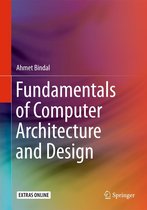
Fundamentals of Computer Architecture and Design
Auteur:
Uitgever:
EngelsHardcover978303000222018 februari 2019592 pagina's
Samenvatting
This textbook provides semester-length coverage of computer architecture and design, providing a strong foundation for students to understand modern computer system architecture and to apply these insights and principles to future computer designs.
This textbook provides semester-length coverage of computer architecture and design, providing a strong foundation for students to understand modern computer system architecture and to apply these insights and principles to future computer designs. It is based on the author’s decades of industrial experience with computer architecture and design, as well as with teaching students focused on pursuing careers in computer engineering. Unlike a number of existing textbooks for this course, this one focuses not only on CPU architecture, but also covers in great detail in system buses, peripherals and memories.This book teaches every element in a computing system in two steps. First, it introduces the functionality of each topic (and subtopics) and then goes into “from-scratch design” of a particular digital block from its architectural specifications using timing diagrams. The author describes how the data-path of a certain digital block is generated using timing diagrams, a method which most textbooks do not cover, but is valuable in actual practice. In the end, the user is ready to use both the design methodology and the basic computing building blocks presented in the book to be able to produce industrial-strength designs. • Provides semester-length textbook for students in computer and electrical engineering, covering the design of complex computing blocks from architectural specifications;• Focuses not only on CPU architecture, but also covers in detail system buses, peripherals and memories;• Presented in a manner catering to young engineering minds, this textbook minimizes text, while using a systematic design approach with architectural schematics, timing diagrams and control circuits;• Includes extensive exercises and projects at the end of each chapter;• Solutions to review problems and PowerPoint slides for instructors available.
This textbook provides semester-length coverage of computer architecture and design, providing a strong foundation for students to understand modern computer system architecture and to apply these insights and principles to future computer designs.
It is based on the author’s decades of industrial experience with computer architecture and design, as well as with teaching students focused on pursuing careers in computer engineering. Unlike a number of existing textbooks for this course, this one focuses not only on CPU architecture, but also covers in great detail in system buses, peripherals and memories.
This book teaches every element in a computing system in two steps. First, it introduces the functionality of each topic (and subtopics) and then goes into “from-scratch design” of a particular digital block from its architectural specifications using timing diagrams. The author describes how the data-path of a certain digital block is generated using timing diagrams, a method which most textbooks do not cover, but is valuable in actual practice. In the end, the user is ready to use both the design methodology and the basic computing building blocks presented in the book to be able to produce industrial-strength designs.
Productspecificaties
Inhoud
- Taal
- en
- Uitvoering
- Hardcover
- Oorspronkelijke releasedatum
- 18 februari 2019
- Aantal pagina's
- 592
- Illustraties
- Met illustraties
Betrokkenen
- Hoofdauteur
- Hoofduitgeverij
Informatie over de fabrikant
- Fabrikant Naam
- Springer Nature Customer Service Center GmbH
- Fabrikant Adres
- Europaplatz 3,69115 Heidelberg, Germany - 69115 - Heidelberg - DE
- E-mailadres of online contactformulier van de fabrikant
- ProductSafety@springernature.com
Overige kenmerken
- Editie
- 2
- Extra groot lettertype
- Nee
- Product breedte
- 178 mm
- Product hoogte
- 43 cm
- Product lengte
- 254 mm
- Studieboek
- Ja
- Verpakking breedte
- 178 mm
- Verpakking hoogte
- 43 mm
- Verpakking lengte
- 254 mm
- Verpakkingsgewicht
- 1340 g
EAN
- EAN
- 9783030002220
Productveiligheid
De verantwoordelijk marktdeelnemer in de EU zorgt voor het nakomen van verplichtingen op het gebied van productveiligheid.
Je vindt dit artikel in
- Categorieën
- Boek, ebook of luisterboek?
- Beschikbaarheid
- Taal
- Type boek
Documenten
Reviews
Nog geen reviews
Kies gewenste uitvoering
Kies je uitvoering
Verwacht over 3 weken
Prijs inclusief verzendkosten, verstuurd door bol
Ophalen bij een bol afhaalpunt mogelijk
30 dagen bedenktijd en gratis retourneren via mijn bol
Dag en nacht klantenservice
Doordeweeks ook ’s avonds in huis