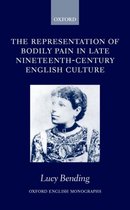
The Representation of Bodily Pain in Late Nineteenth-Century English Culture
Vraag het Shophulp, de AI-assistent van bol
Auteur:
Uitgever:
EngelsHardcover978019818717231 augustus 2000309 pagina's
Samenvatting
Pain is not the same for everybody. Victorian novels were awash with suffering, but this book also explores late Victorian discussions of fire-walking, tattooing and flogging, and in doing this shows the ways in which the experience was affected by class, gender, race, and criminality.
This book presents a study of the ways in which concepts of pain were treated across a broad range of late Victorian writing, placing literary texts alongside sermons, medical textbooks and the campaigning leaflets, in order to suggest patterns of presentation and evasion to be perceived throughout the different texts assembled. Pain is not a shared, cross-cultural phenomenon and this book uses the examples of fire-walking, flogging, and tattooing to show that, despite the fact that pain is often invoked as a marker of shared human identity, understandings of pain are sharply affected by class, gender, race, and supposed degree of criminality. In arguing this case, Virginia Woolfs claim that there is no language for pain is taken seriously, but the importance of this book lies in its exploration of the ways in which the seemingly incommunicable experience of bodily suffering can be conveyed.
This book presents a study of the ways in which concepts of pain were treated across a broad range of late Victorian writing, placing literary texts alongside sermons, medical textbooks and the campaigning leaflets, in order to suggest patterns of presentation and evasion to be perceived throughout the different texts assembled. Pain is not a shared, cross-cultural phenomenon and this book uses the examples of fire-walking, flogging, and tattooing to show that, despite the fact that pain is often invoked as a marker of shared human identity, understandings of pain are sharply affected by class, gender, race, and supposed degree of criminality. In arguing this case, Virginia Woolfs claim that there is no language for pain is taken seriously, but the importance of this book lies in its exploration of the ways in which the seemingly incommunicable experience of bodily suffering can be conveyed.
Productspecificaties
Inhoud
- Taal
- en
- Uitvoering
- Hardcover
- Oorspronkelijke releasedatum
- 31 augustus 2000
- Aantal pagina's
- 309
- Illustraties
- Nee
Betrokkenen
- Hoofdauteur
- Hoofduitgeverij
Informatie over de fabrikant
- Fabrikant Naam
- Oxford University Press España S.A. of El Parque Empresarial
- Fabrikant Adres
- San Fernando de Henares, Avenida de Castilla, 2 – 28830 Madrid - 28330 - Madrid - ES
- E-mailadres of online contactformulier van de fabrikant
- product.safety@oup.com
Overige kenmerken
- Product breedte
- 145 mm
- Product hoogte
- 23 mm
- Product lengte
- 225 mm
- Studieboek
- Ja
- Verpakking breedte
- 140 mm
- Verpakking hoogte
- 25 mm
- Verpakking lengte
- 216 mm
- Verpakkingsgewicht
- 499 g
EAN
- EAN
- 9780198187172
Productveiligheid
De verantwoordelijk marktdeelnemer in de EU zorgt voor het nakomen van verplichtingen op het gebied van productveiligheid.
Je vindt dit artikel in
Documenten
Reviews
Nog geen reviews
Kies gewenste uitvoering
Kies je uitvoering
Verwacht over 3 weken
Prijs inclusief verzendkosten, verstuurd door bol
Ophalen bij een bol afhaalpunt mogelijk
30 dagen bedenktijd en gratis retourneren via mijn bol
Dag en nacht klantenservice
Doordeweeks ook ’s avonds in huis